Start with the most common risks
Many falls happen because of simple things around the home, like loose rugs, poor lighting, cluttered walkways, or shoes that are easy to slip off. Stairs, bathrooms, and bedrooms are common places to look first.
It can help to walk through the home slowly and notice where your loved one feels unsteady. If you are not sure what matters most, a geriatric care clinic can help you think through next steps with a licensed clinician.
You can also read more in our answers and guides sections if you want plain-language background before you speak with a clinic.
Make the home easier to move through
Small changes often make a big difference. Clear cords, remove clutter from floors, and keep paths to the bathroom and bedroom open. Good lighting matters, especially at night.
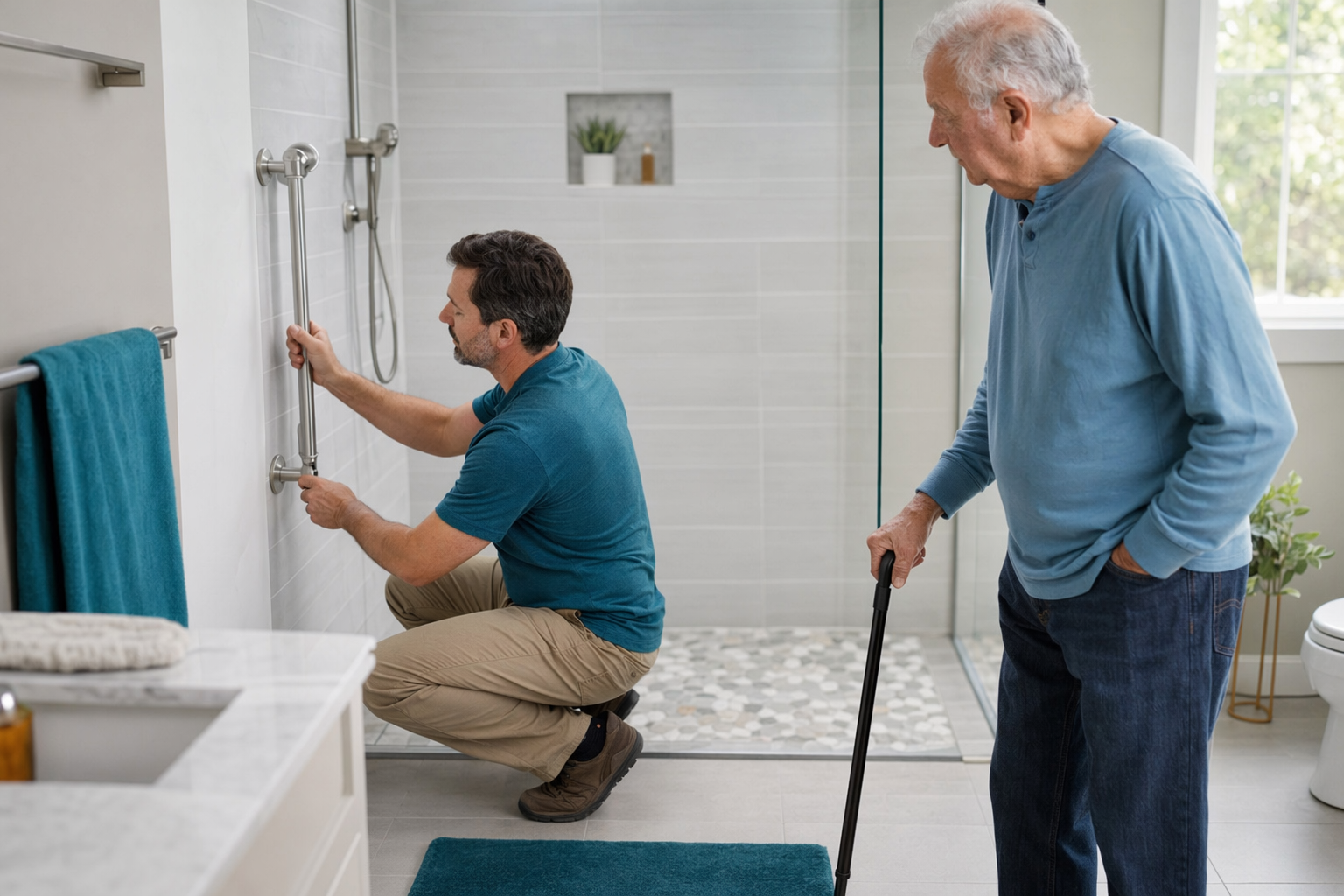
Many families also add grab bars in the bathroom, use non-slip mats where needed, and keep items within easy reach so the older adult does not need to bend, stretch, or climb often.
If your loved one uses a cane, walker, or other support, a clinic can help you ask the right questions about safe use and daily movement. Care decisions should always be discussed with a licensed clinician.
Pay attention to the person, not just the room
Falls are not only about the home. Balance, strength, vision, pain, and memory can all affect safety. A person may also move more carefully when they feel rushed, tired, or worried.
If your parent has had a fall, or seems more unsteady lately, it is reasonable to seek a geriatric care clinic for a broader look at what may be going on. We help you find clinics near you and connect you with options at no cost.
We do not give medical advice, and we do not collect medical history on this site. When you speak with a clinic, you can share only the short care description you feel comfortable giving.
How Everwell Geriatrics can help
Finding the right kind of care can feel overwhelming, especially if English is not your first language or you are new to the US. We make the first step simpler.
Through get matched, you can share your contact details and a short note about what kind of help you are looking for. Then we help you find a geriatric care clinic near you.
We are not a doctor, clinic, or insurance agency. We are a free matching and guide service, and clinics vary by state and community. You can ask each clinic about costs and coverage directly.
What to ask a clinic after a fall
If you do connect with a clinic, it may help to ask practical questions like:
- What kind of geriatric care do you offer for older adults?
- Do you help families think about fall risk and home safety?
- What should we bring to the first visit?
- How do you work with family caregivers?
You do not need to figure everything out alone. One careful conversation with a licensed clinician can help your family understand the next step.

General information, written and reviewed for plain-language clarity — not medical advice.