Falls usually happen for more than one reason
A fall is often not caused by just one thing. In many older adults, several small problems add up. A person may feel a little weaker, a little less steady, and a little more tired than before. Then one loose rug, one dark hallway, or one quick turn can lead to a fall.
Common causes include muscle weakness, balance problems, poor vision, foot pain, dizziness, and side effects from medicines. Long-term health conditions can also make falls more likely. So can dehydration, poor sleep, and not eating enough.
This is one reason families often look for geriatric care. A geriatric clinic can look at the whole picture of aging, daily function, and safety. If you are just starting, our answers and guides can help you learn what to ask.
Body changes that can raise fall risk
As people age, strength and balance can change. Legs may feel weaker. Reaction time may slow down. Joints may feel stiff. Some older adults also lose feeling in their feet, which can make it harder to sense the ground.
Vision and hearing changes can matter too. Trouble seeing steps, edges, or low light can make walking less safe. Hearing problems may affect awareness of the space around them. Even small changes can make everyday tasks harder.
Illness can play a part as well. Conditions that affect the heart, nerves, bones, muscles, or brain may increase fall risk. Memory problems or confusion can also make it harder to move safely. Only a licensed clinician can evaluate these causes for a specific person.
Medicines and daily habits can also matter
Some medicines can cause sleepiness, dizziness, or low blood pressure. Others may affect balance or make a person feel unsteady when standing up. This does not mean someone should stop a medicine on their own. It means it is important to talk to a licensed clinician or the clinic about possible side effects.
Daily habits matter too. Not drinking enough water can lead to weakness or lightheadedness. Skipping meals can lower energy. Poor sleep can affect focus and balance. Shoes that do not fit well, walking in socks, or rushing to the bathroom can also increase risk.
A geriatric care clinic may help families think through these day-to-day issues in a broader way. If you want help finding that kind of care, we can connect you with a clinic near you.
The home environment is a common part of the problem
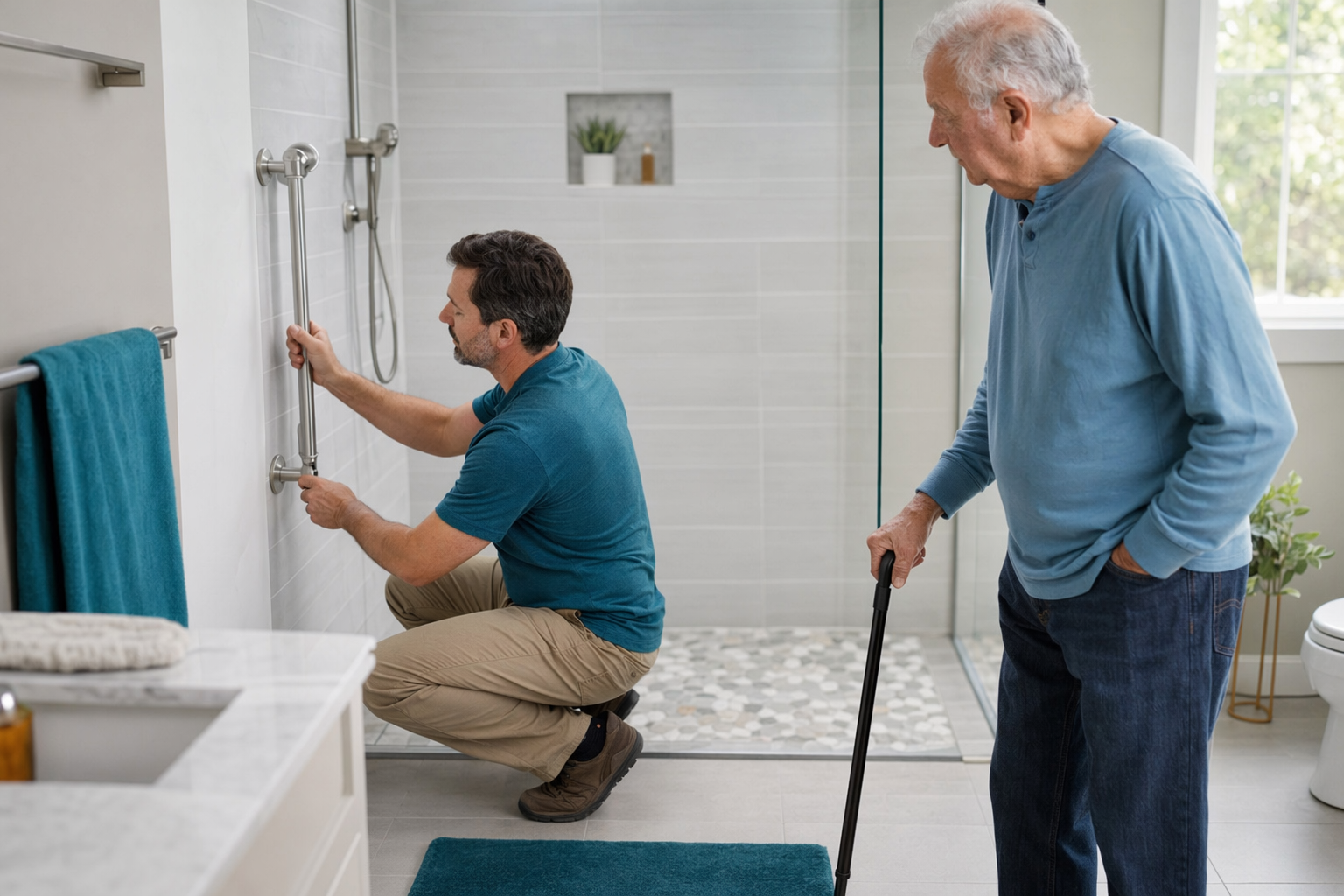
Many falls happen at home. Clutter, loose cords, slippery floors, dim lighting, and missing handrails can all make walking less safe. Bathrooms and stairs are especially common trouble spots.
Even a home that feels familiar may become harder to move through over time. A chair that is too low, a bed that is too high, or items stored out of reach can create risk. Families often do not notice these details until after a fall.
Looking at the home is only one part of the picture, but it can be an important one. Community resources and clinic types vary by state and area, so local guidance can help.
When to seek help
If an older adult has fallen, nearly fallen several times, or seems less steady than before, it may be time to seek support. A fall can sometimes be a sign that something has changed in the body, the home, or daily routine.
We are not a medical provider, and we do not give medical advice. But we do help families find geriatric care clinics that work with older adults. These clinics may be able to review concerns about function, mobility, and overall care needs.
Our service is free. We take contact details and a short care description only. We do not need medical history, diagnoses, medications, or insurance account numbers. You can learn more about geriatric care or get matched with clinics near you.

General information, written and reviewed for plain-language clarity — not medical advice.