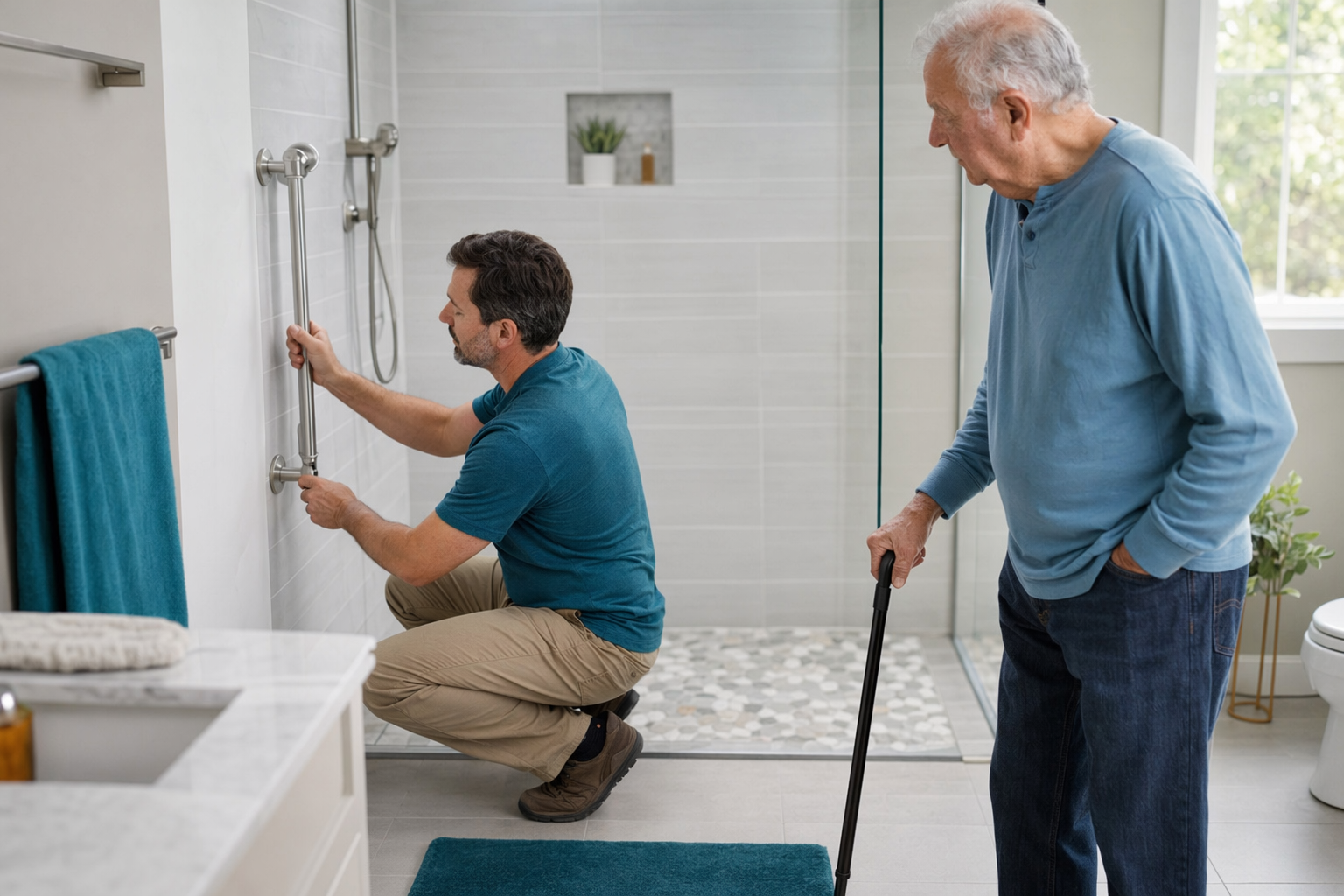
What fall risk care can help with
A geriatric fall-risk visit is about understanding why a fall may be happening and what can make daily life safer. That can include balance concerns, vision changes, home hazards, strength, walking safety, and whether current medicines may be part of the picture.
We do not provide medical care or advice. We help you find a geriatric care clinic where a licensed clinician can review the situation with your family and talk through options in plain language.
If you are unsure where to start, our free service can connect you with a clinic near your parent or loved one through get matched.

How the visit usually works
Every clinic is different, but a fall-risk visit often starts with a conversation about what has been happening at home, what worries the family most, and what daily tasks feel harder now. The clinician may also look at walking, balance, strength, and other everyday safety issues.
The goal is not to judge or rush. It is to help the family understand possible causes and what questions to ask next. In some places, clinics may suggest seeing other professionals too, such as physical therapy, eye care, or home safety support.
If you want to learn more about what geriatric care is, our care guide explains the type of support these clinics often provide.
What we do, and what we do not do
We are a free matching and guide service. You share contact details and a short description of the care you are looking for, and we help connect you with a geriatric care clinic near you.
We do not ask for medical history, medication lists, diagnosis details, or insurance account numbers. We also do not make medical decisions, and we are not affiliated with Medicare or any plan.
Clinic availability and programs can vary by state and community, so it helps to ask each clinic about services, timing, language support, and costs.
For families helping from near or far
Many adult children are trying to help while also working, parenting, or living in another city. That can make the process feel overwhelming. You do not have to figure out every detail alone.
If your parent speaks limited English, or if you are helping as a new immigrant family, clear communication matters. We aim to make the first step simple, respectful, and easy to understand.
When you are ready, we can help you find a clinic and point you to guides that explain common questions in plain English.
What to ask a clinic
You do not need to know the right medical terms before reaching out. A short description like “recent falls,” “feels unsteady,” or “wants a fall-risk check” is enough for us to start.
When you speak with a clinic, you can ask:
- What does a fall-risk visit usually include?
- Do you have staff who speak my language, or interpreter support?
- How soon can we be seen?
- What costs or coverage questions should we ask the clinic directly?
- What should we bring to the visit?

General information, written and reviewed for plain-language clarity — not medical advice.