What arthritis care usually means
Arthritis is a general word for joint pain, stiffness, and swelling. In older adults, it may affect the knees, hands, hips, back, or other joints. Symptoms can change over time, and some days may be harder than others.
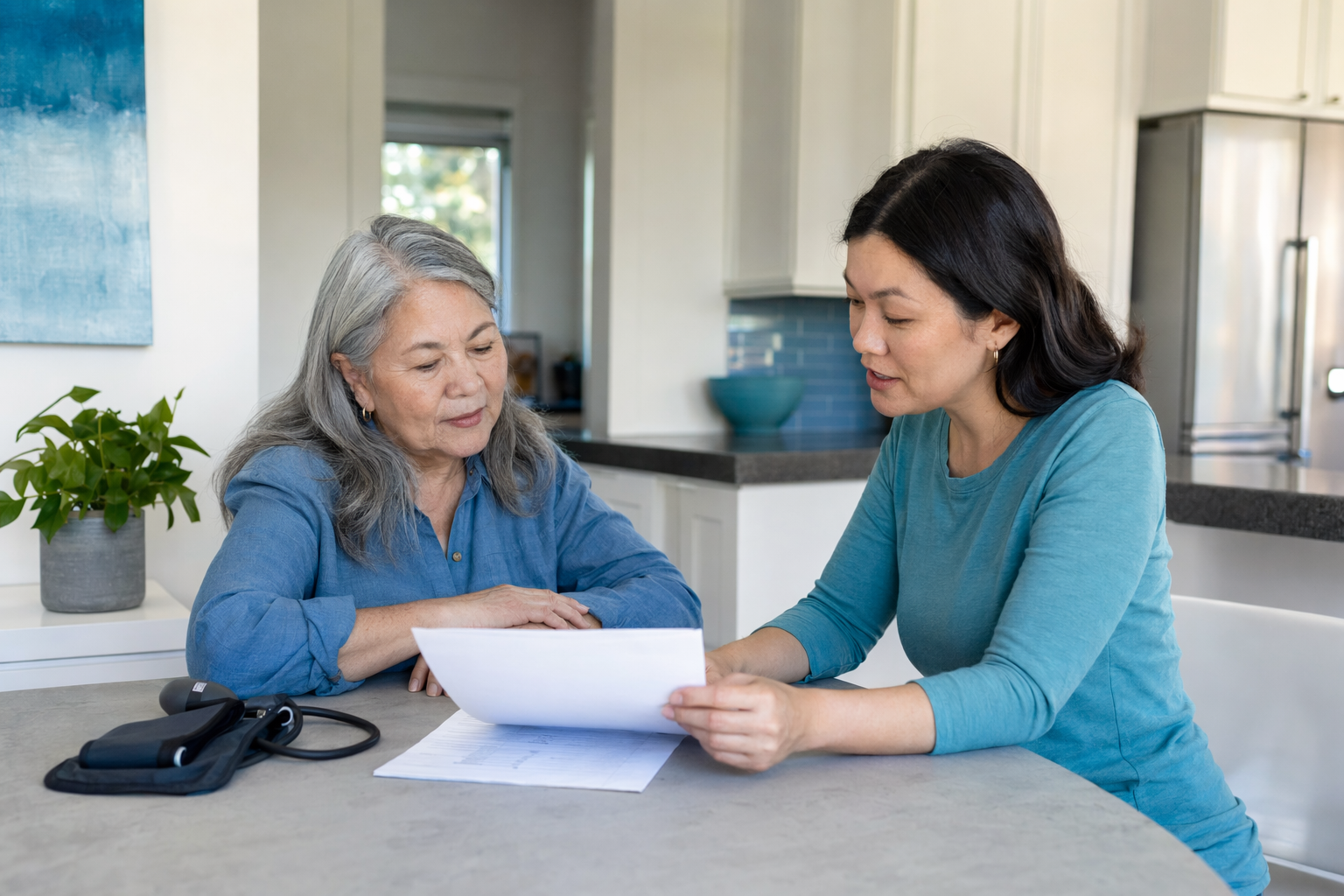
Arthritis care often means looking at the whole picture. A licensed clinician may talk about pain, movement, balance, sleep, daily tasks, and how symptoms affect mood or independence. The goal is usually to help the older adult stay as safe, active, and comfortable as possible.
Because older adults often have more than one health concern, families sometimes look for a clinic that understands aging. A geriatric care clinic may be able to help coordinate care and talk through what to ask next. If you want a broader overview, you can visit our answers or care pages.

Signs a family may want to ask about support
Some joint pain is easy to brush off at first. But families often start looking for help when pain lasts, walking becomes harder, or simple tasks like bathing, dressing, cooking, or getting out of a chair take much more effort.
You may also notice changes that are less obvious. An older adult might avoid stairs, stop going out, sleep poorly, or seem more worried about falling. In some cases, pain can lead to less movement, and less movement can make weakness and stiffness worse.
If these changes are affecting daily life, it may help to talk to a licensed clinician. This is especially important if there is sudden swelling, a new fall, worsening weakness, fever, or a quick change in the ability to walk or use a joint.
What a geriatric care clinic may help with
A geriatric care clinic does not replace every specialist, but it may help families understand next steps. Depending on the clinic and the community, the team may look at mobility, fall risk, strength, daily routines, home safety, memory concerns, caregiver stress, and other issues that can affect an older adult with arthritis.
The clinic may also help the family think about practical needs. For example, they may discuss safer movement, support at home, or whether other services could be useful. Programs and clinic types vary by state and community, so what is offered in one area may not be the same in another.
If you are not sure where to begin, we can help you get matched with a geriatric care clinic near you. We are a free guide service. We are not a medical provider, and we do not give medical advice.
How Everwell Geriatrics helps
Many families feel overwhelmed when they first start this search. That is very normal. We help you find geriatric care clinics near you, at no cost, so you do not have to sort through everything alone.
We only take basic contact details and a short care description so we can help connect you with a clinic. We do not need medical history, medication lists, or insurance account numbers. Care decisions always stay between your family, the older adult, and a licensed clinician.
If you want to learn more about how geriatric support works, our guides page may help. When you are ready, you can start here: get matched.
A simple next step for families
You do not need to have every answer before reaching out. If your parent or loved one has ongoing joint pain, stiffness, trouble walking, or daily tasks are getting harder, it may be time to look for added support.
A good first step is to write down a few changes you have noticed in daily life, in plain words. Then talk with a licensed clinician or ask us to help you find a geriatric care clinic nearby. You can also ask the clinic about appointment details, costs, and coverage.
- Notice what daily tasks are getting harder
- Talk to a licensed clinician about ongoing concerns
- Ask us to help you find a nearby geriatric care clinic for free

General information, written and reviewed for plain-language clarity — not medical advice.